Build it once
How to Measure Yourself for Clothing (Because Size Charts Lie)
A soft tape, four numbers, and the undergarments you will actually wear. The chart on the site is a suggestion from a brand that also sells a size up.
Updated 2 Aug 2026 · 8 min read · how to measure yourself for clothing
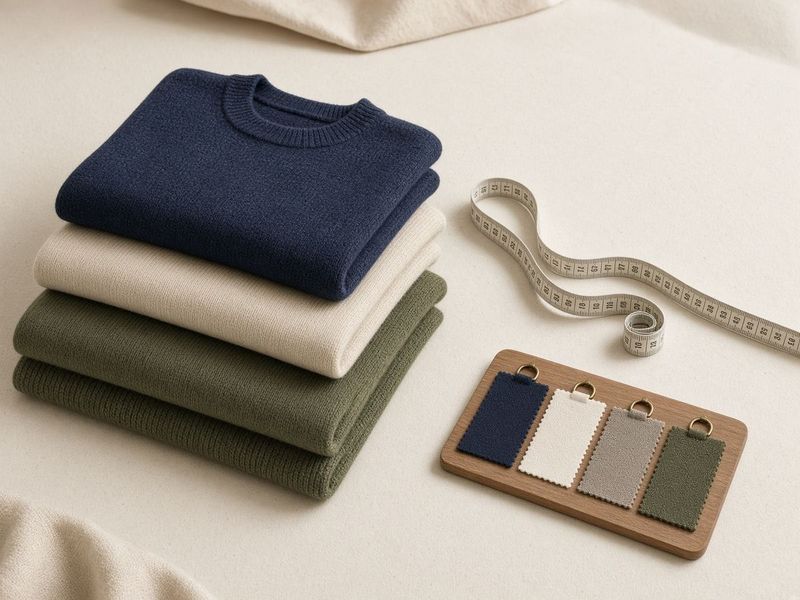
Chest, waist, hip, inseam — with a tape, not a guess
Stand easy, weight on both feet, tape parallel to the floor. Chest (or bust): around the fullest part, usually at nipple line, tape snug but not compressing. Waist: the narrowest point of the torso, often an inch above the navel — and a second number where you actually wear trousers, which on many people is 1–2 inches lower. Hips: fullest part of the seat, over the buttocks, not the high hip a fashion chart invented.
Inseam: inside of the leg, from the crotch seam to the floor for a full-length number, or to the ankle bone if you want no-break trousers. Measuring a pair of pants that already fit is more accurate than contorting with a tape. Shoulder (point to point) and sleeve (center back of neck to wrist bone, arm slightly bent) matter the moment you buy a shirt, a blazer, or a suit. A second person holding the tape is worth more than a tutorial.
| Number | Where the tape goes | Common mistake |
|---|---|---|
| Chest / bust | Fullest point, tape level | Puffing the chest or measuring over a sweater |
| Natural waist | Narrowest, usually above the navel | Sucking in |
| Trouser waist | Where the waistband actually sits | Using the jeans size on a pair that already stretches |
| Hip / seat | Fullest part of the backside | Measuring the high hip and then wondering why trousers bind |
| Inseam | Crotch to hem or floor, inside leg | Measuring the outside of the leg |
Size charts lie, and they do not even lie consistently
A chart is the brand’s idea of the garment laid flat, doubled, sometimes with ease built in and sometimes without. Vanity sizing has drifted for decades: a women’s 8 is not 1950s 8, a men’s 32 waist in stretch denim is not a 32 in raw selvedge, an Italian 50 is a different chest from a US 40R even when the conversion table says otherwise. Zara, J.Crew, Uniqlo, and a Neapolitan maker can all print “M” on three different objects.
Compare your body numbers to the garment numbers, not to the letter. If a shirt lists a 42-inch chest and you measure 40, that is two inches of ease — a normal shirt. If it lists 40 and you measure 40, it is a second skin. For a capsule, pick a brand block that already fits and stay inside it rather than collecting letters.
Measure over the undergarments you will actually wear
A padded bra changes bust circumference by an inch or more. Shapewear changes hip. An undershirt changes chest. Measuring bare and then wearing a structured bra with the dress is how online orders fail. If you need a fitting for a bra itself, that is a different tape sequence — start with bra size explained and do not use a dress-form bust number as a band size.
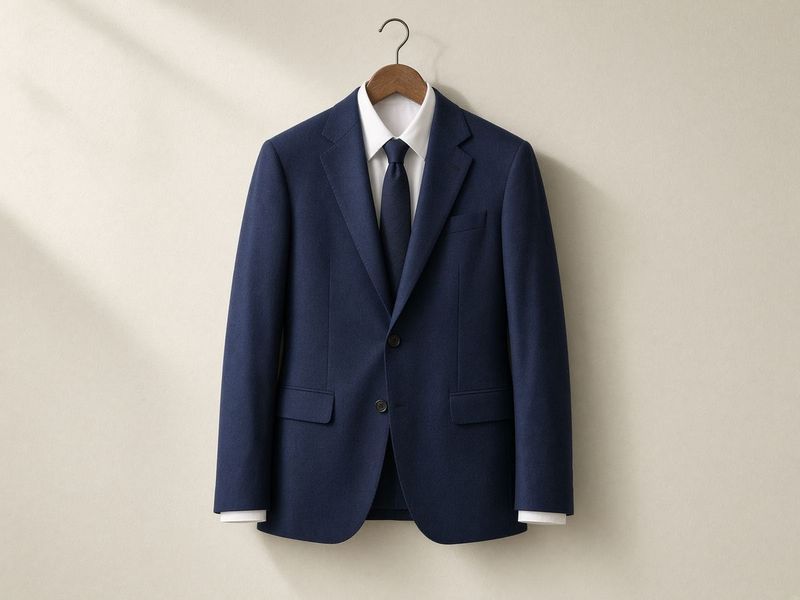
Suits and shirts: measure over a thin dress shirt, not a hoodie. Jackets: think about what sits on the shoulder. A structured work bag on the same shoulder will pull a tight sleevehead; if you commute with one, try the jacket with the bag, not just with your arms hanging. Write the date next to the numbers. Weight, training, and a new bra all move them.
What to do with the numbers when you order
Keep a note in your phone: chest, natural waist, trouser waist, hip, inseam, shoulder, sleeve, shoe last if you know it, and the date. When a site only offers S–XL, look for a “garment measurements” tab or a review that names height and weight without being useful — height and weight are not a chest. Email the shop the numbers if it is a small maker; they would rather sell you the right size than process a return.
Ready-to-wear that is close in the shoulders and the seat is alterable. Ready-to-wear that is wrong in those two places is a donation. Trouser hems, waist nips, and sleeve lengths are cheap. Recutting a chest is not. If you are between sizes, the size that fits the shoulders (tops and jackets) or the seat (trousers) is the one to buy and tailor. The rest is vanity, and vanity is how you own two sizes of the same thing.
Questions, answered
- Should I pull the tape tight?
- Snug, level, no flesh spilling over, no compression that changes the number when you breathe out. If you cannot fit two fingers under the tape, it is too tight for a clothing measurement.
- Why did a pair of trousers in my waist size not close?
- You measured the narrow waist and the trousers are cut for a hip and a rise you do not have, or the brand’s 32 is a 30. Measure the trouser waist of a pair that fits, laid flat, doubled, and shop from that number.
- Do I need a second person?
- For chest, shoulder, and inseam, yes if you can. Solo measurements run high on the chest (tape drops in back) and short on the inseam. A mirror and a phone camera on a timer is the fallback.