What the labels mean
Leather vs Vegan Leather: What Lasts, What Cracks
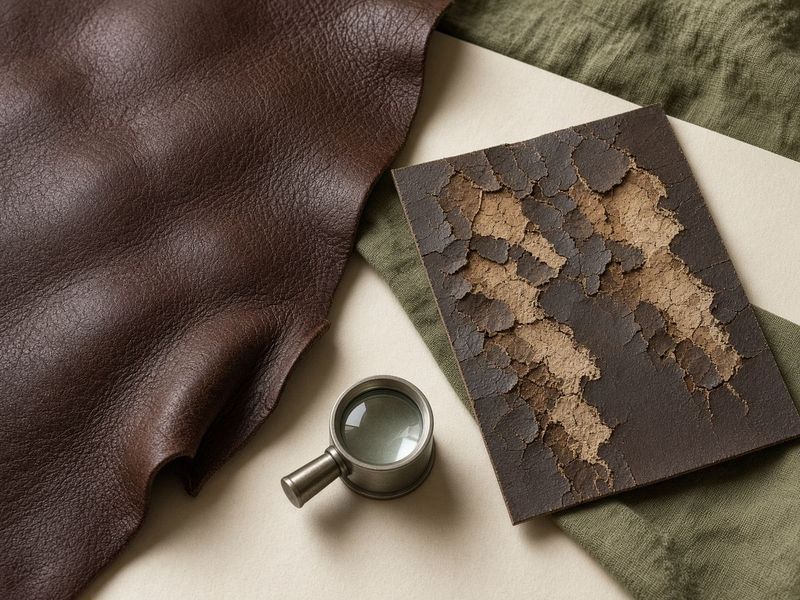
Most vegan leather is PU on a fabric backing. It looks right until the coating crazes at the fold, around month 18. Hide can be repaired. A peeling film cannot.
Updated 24 Mar 2026 · 8 min read · leather vs vegan leather
PU, PVC, and plant-based coatings
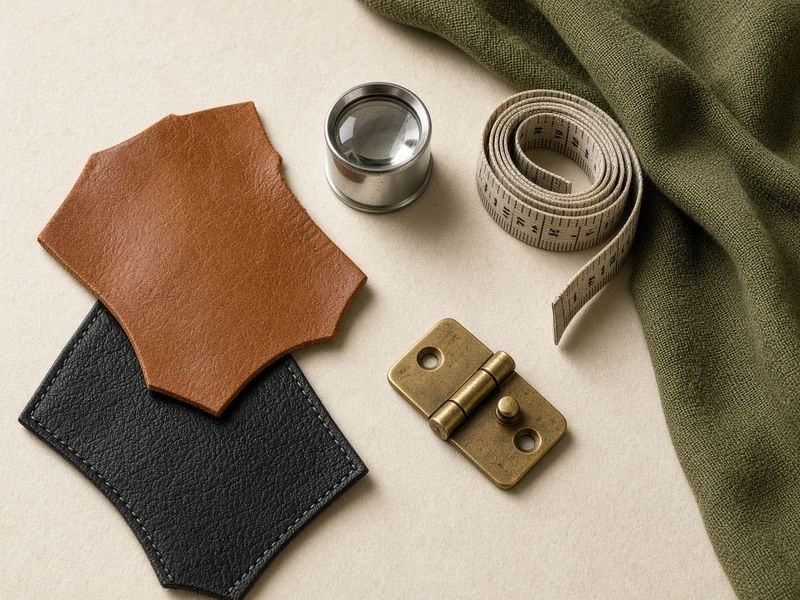
PU vegan leather is a plastic film on a knit or woven backing. It can be soft, printed, and very convincing in a photo. PVC is stiffer, cheaper, and worse to sit in a hot car with; it is the school-bag and cheap-belt material. Neither is hide. Both are waterproof in a way leather is not, which is a genuine advantage in a rain-belt city and a genuine problem for breathability in a shoe.
Plant-based “leathers” (Desserto cactus, apple-skin, Piñatex pineapple, mycelium) are marketing umbrellas over a range of composites. Many still use a PU binder so the sheet holds together and takes a grain. Read the composition. If it says polyurethane, you are buying a coated textile with a plant filler, not a magic compostable hide. That is fine if the price and the lifespan match.
Eighteen months versus a decade
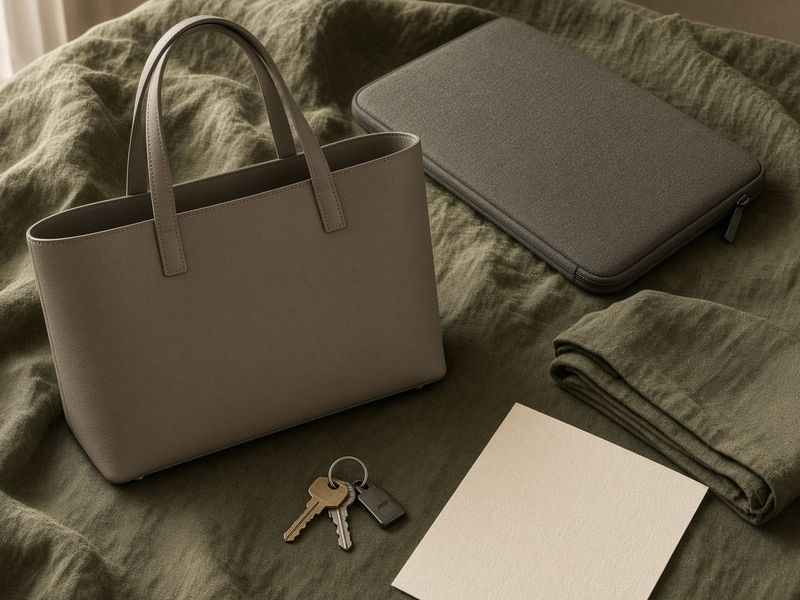
PU fails on a schedule. The coating dries, then a network of fine cracks appears on the face where the bag folds, on the handle where your hand oils it, and on a shoe vamp where it flexes. Once the film is broken, the knit backing shows, and there is no cream that will fuse it. Daily-use PU totes often look tired at 18 months. A $40 experiment is honest. A $180 “investment vegan tote” is a category error.
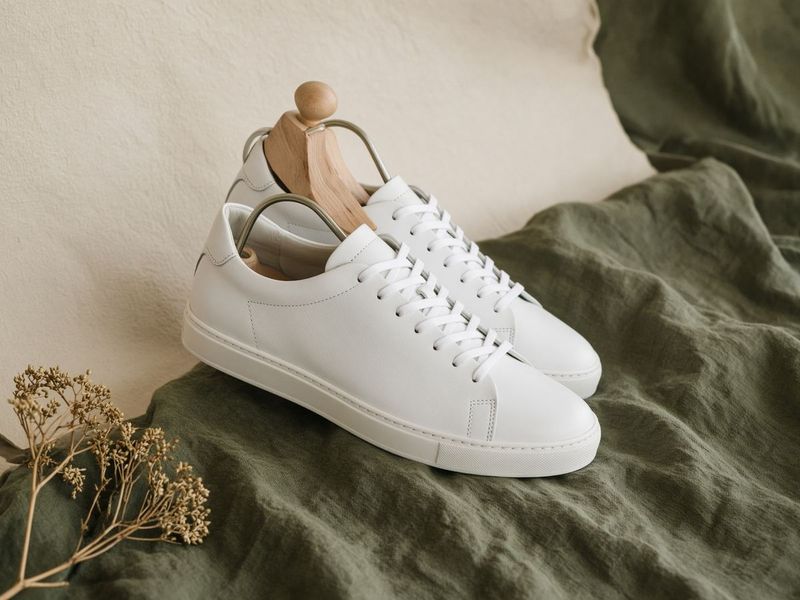
Top-grain and full-grain leather — not genuine split — marks, darkens, and can be cleaned. A ten-year bag is a normal outcome if you wipe it and condition it. Shoes are the same math: cream and trees in leather shoe care versus a PU derby that crows-feet across the toe in one winter. A daily work bag is the wrong place to experiment with a $90 film.
| Top-grain leather | PU vegan | PVC | |
|---|---|---|---|
| What it is | Hide, pigment optional | Plastic film on fabric | Vinyl film, stiffer |
| Daily-use life | 8–20 years with care | 12–24 months to first crack | Often less, and shinier |
| Failure mode | Scuffs, neglected dryness | Crazing at folds, peeling | Splits, plastic smell |
| Repair | Cobbler, recraft, resole | Almost none | None |
| Honest spend | Bag $280–600; shoes $250+ | Bag $40–90 | Under $40, on purpose |
Cracking at the fold, and who can repair it
Flex is the test. Pinch the corner of a PU bag in the shop; if the coating lightens, it is already thin. On a used piece, cracks start white, then open. A cobbler can patch leather, replace a handle, dye a scuff, and resole a welt. On PU they will usually decline. There is nothing to stitch to once the film has let go of the backing.
This is why construction still matters on hide: a saddle-stitched handle on a crossbody or tote is a repairable joint. A glued PU handle is a timed fuse. If you need the vegan option, look for fabric, webbing, or coated canvas — materials that fail honestly — instead of a leather impersonation.
When vegan is the honest choice
A color you will be tired of, a trend silhouette, a single event, a budget under $80, a household that does not want hide. Those are clean reasons. So is rain gear and a bike-commute backpack, where waterproof PU or nylon is the better material and nobody is pretending it is bridle leather.
What is not honest: paying leather prices for a PU “premium vegan” line, or buying genuine leather as a moral middle. Split hide still came from an animal and still cracks like a coating. Pick a material on lifespan and repair, then spend in the band that matches. Do not let the word leather, vegan or genuine, set the price.
Questions, answered
- How long does vegan leather last?
- A PU bag in daily rotation often peels in 1–3 years. Light, occasional use lasts longer. It will not take a decade of commuting the way top-grain will.
- Is plant-based leather better than PU?
- Sometimes in feedstock, rarely in physics. If the binder is still polyurethane, expect a coated-fabric lifespan. Ask what percentage is PU and what the warranty actually covers.
- Can a cobbler fix cracked vegan leather?
- Almost never in a way that lasts. They can sometimes glue a patch that looks worse. Budget to replace the piece, which is why it needed to be cheap.