Fit, knots, shoes
Oxford vs Derby Shoes: Closed Lacing, Open Lacing, Last Shape
Oxfords hide the lacing under the vamp. Derbies sit the quarters on top. That one seam is the formality gap — and the reason derbies fit a high instep. The last under either one decides whether your foot is actually in the shoe.
Updated 2 May 2026 · 8 min read · oxford vs derby shoes
Closed lacing versus open lacing
Look at the tongue. On an oxford, the facing that holds the eyelets is stitched under the front of the shoe (the vamp). The opening is a neat V that cannot gap. On a derby, those facings sit on top of the vamp and can fan open when you pull the laces. That is the entire definition. Toe caps, broguing, and colour are extras, not the category.
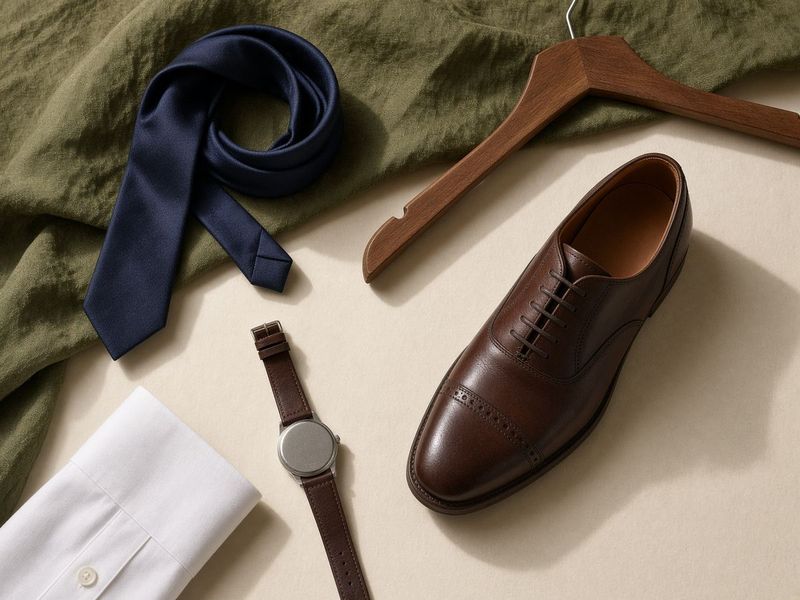
Closed lacing reads formal because it is a closed system — no extra leather flapping, no visible hardware beyond the laces. Open lacing reads like a work shoe that got invited inside, which is historically accurate: derbies (bluchers, in American) were the sturdier, more adjustable pattern. If you are building a first suit around navy wool, the matching shoe is a black or dark-brown cap-toe oxford, not a chunky derby. A Goodyear-welted calf oxford in the $250–450 band is the pair that can be resoled; a $90 glued fashion oxford is a season.
Formality is a ladder, not a vibe
From dressiest to least, on leather soles: wholecut oxford, plain-toe oxford, cap-toe oxford, semi-brogue oxford, full-brogue (wingtip) oxford, then the same sequence in derbies, then suede, then a commando or rubber sole. Colour steps you down too: black, then dark brown, then mid-brown, then tan, then suede in any of those. A black cap-toe oxford is the funeral and interview shoe. A dark-brown derby is the weekday shoe for most men under 40 who do not wear a suit daily.
| Oxford | Derby | |
|---|---|---|
| Lacing | Closed — vamp over quarters | Open — quarters over vamp |
| Formality | Suit, interview, funeral | Sport coat, chinos, smart jeans |
| Fit | Narrower; fights a high instep | Adjustable; better for wide feet |
| First pair | Black or dark-brown cap-toe calf | Dark-brown plain or semi-brogue |
| Skip | White contrast soles, square toes | Commando soles under worsted wool |
Pair with a suit versus pair with jeans
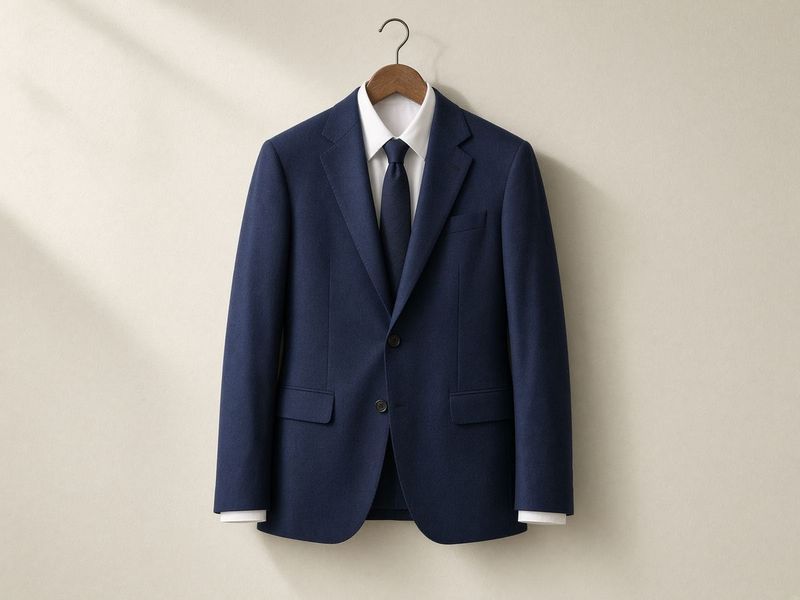
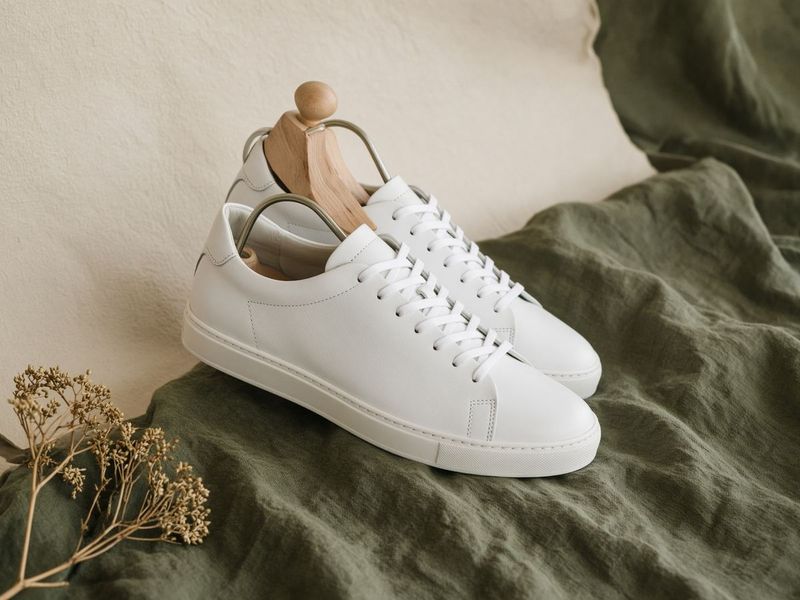
Suit: cap-toe oxford, dark calf, 5-eyelet, leather sole, trousers breaking slightly on the vamp. Wholecuts are one step dressier and less useful. A sleek dark calf derby under a navy suit will pass in most offices; a lug-soled derby will not. For weddings, funerals, and interviews, wear the oxford. The suit jacket is not a blazer — keep the trousers with it and put leather on the feet, not a clean white sneaker.
Jeans and chinos: a plain or semi-brogue derby in dark brown calf or suede, a loafer, a broken-in leather sneaker. Dark, clean jeans, not ripped knees. Suede derbies are a spring and autumn shoe; they mark in rain and they look better for it, as long as you do not wear them to a eulogy. Do not put a formal black oxford under stone chinos and a polo — the shoe will look like it lost its suit. Two pairs cover this split: one cap-toe oxford, one brown derby. A third pair is a loafer or a walker, not another black oxford in a different last you also do not wear.
Last shape is why one size 9 fits and another does not
The last is the foot-shaped form the shoe is built around. Lacing style does not change the last. English lasts (Crockett & Jones, Edward Green, many Northampton factories) tend to be slimmer through the waist with a chiseled or almond toe. American lasts (Alden, some Allen Edmonds) are often rounder and roomier in the toe. Italian lasts can be elongated and lower-volume. A Brannock 9.5D is not a last. If every oxford bites the top of your foot, you may have a high-instep derby foot, or you may have been buying a low-volume English last.
Try the same size in two lasts before you decide you “cannot wear oxfords.” A high instep wants open lacing so the quarters can spread, and a last with more volume over the midfoot. A wide forefoot wants a G or a 110 last, not a size-up that leaves the heel slipping. Cheap glued oxfords in a fashion last with a pointed toe will hurt regardless of lacing. Once the pair fits, keep it alive: trees, cream, rotation — the whole job is in how to care for leather shoes. A last that fits, in calf you can resole, is the purchase. A last that almost fits, in split hide, is a blister with a receipt.
Questions, answered
- Can I wear derbies with a suit?
- A sleek dark calf derby under a navy suit will pass in most offices. A chunky commando-sole derby will not. For weddings, funerals, and interviews, wear an oxford.
- Are oxfords uncomfortable?
- Closed lacing gives you less room over the instep. If that is your pain, it is the last and the lacing, not “leather shoes.” Try a derby, or an oxford last labelled as a wider or higher-volume fit. Do not size up and swim in the heel.
- Black or brown for the first pair?
- Black cap-toe oxford if your first suit is charcoal or you need a funeral shoe. Dark brown if the suit is navy and you want the pair to work with chinos on Friday. The second pair is the other colour, not a trend sneaker.