Build it once
Silk vs Satin: Fiber, Weave, Charmeuse, and Water Marks
Silk is a fiber. Satin is a weave. They overlap in charmeuse and almost nowhere else. Polyester satin is a different object with the same shine, and sweat treats them differently.
Updated 25 Feb 2026 · 7 min read · silk vs satin
Fiber versus weave — they are not opposites
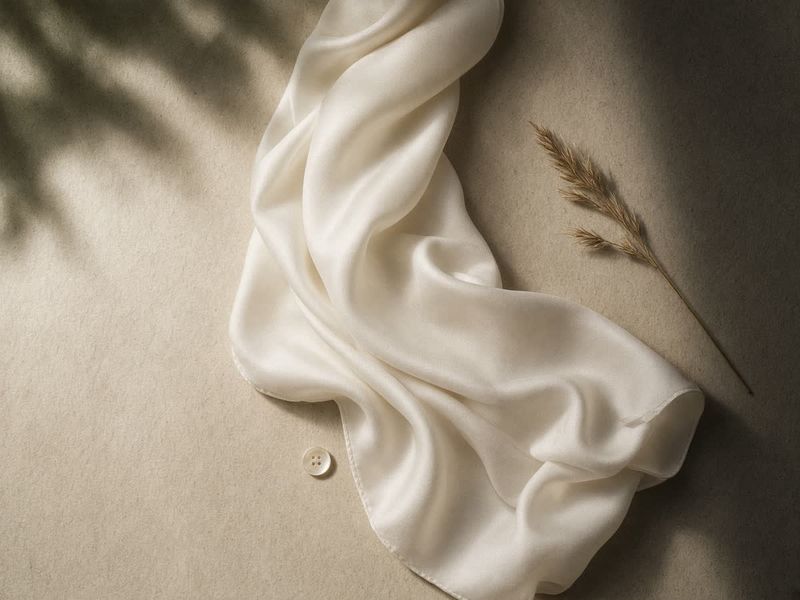
Silk names the fiber. Satin names the structure: four or more weft yarns floating over a warp, then a bind, which is why the face is glossy and the back is dull. You can have silk satin, silk twill, silk crepe de chine, silk organza. You can have polyester satin, acetate satin, nylon satin. Asking “silk or satin?” is like asking “wool or herringbone?” — one is stuff, the other is a pattern of stuff.
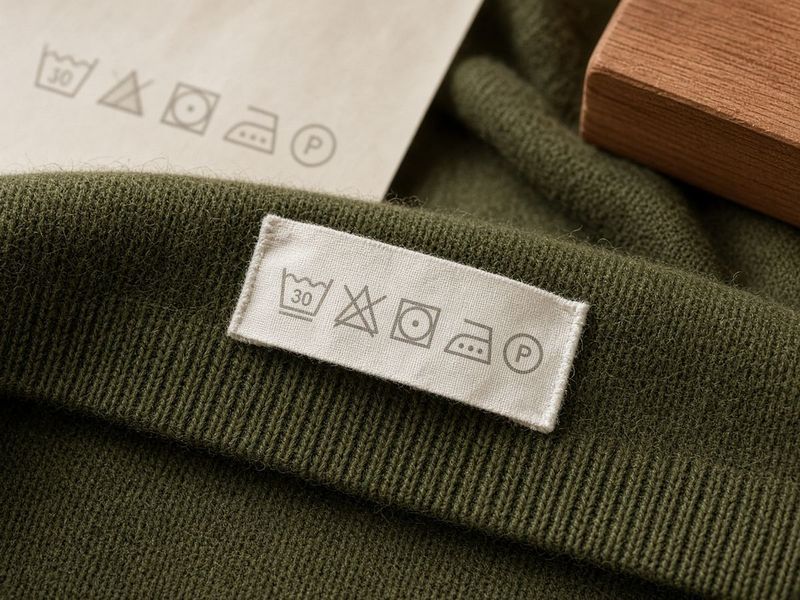
Crepe de chine is silk with a matte, pebbled face and no satin float. Habotai is a plain-weave silk, light, used for linings. Charmeuse is the satin-weave silk with a liquid face. If a listing says “silk satin” it is at least trying. If it says “satin silk-like,” it is polyester. Read the care label: silk often wants dry clean or cold hand wash; polyester satin will say cool machine wash and still look tired after ten spins.
| Word on the tag | What it is | What it does |
|---|---|---|
| 100% silk | The fiber; weave unspecified | Breathes; can water-spot; price should show it |
| Silk charmeuse | Silk in a satin weave, light | Drapes, clings, used for slips |
| Satin (no fiber named) | Assume polyester | Shine, static, heat |
| Polyester satin | At least honest | Holds a cheap hem; not a summer fabric |
| Acetate satin | Semi-synthetic, often linings | Splits with sweat and age |
Polyester satin, and why the shine is a different shine
Polyester satin reflects a hard, even light. Silk satin reflects a softer, slightly uneven light because the filament is triangular in cross-section. You can see the difference at a window. Poly satin also static-clings to tights, pills where a bag rubs, and does not let heat out. A $40–80 polyester satin skirt for a party is a fair deal if you treat it as a party skirt. A $200 “satin slip dress” in polyester is a silk price on a plastic cloth.
Stretch satin (poly + elastane) is what a lot of going-out minis are. It holds a body-con line silk would need a bias cut and a fitter to achieve. That is a design choice, not a fake. Just do not file it in the capsule next to a wool trouser and expect it to behave like an everyday cloth.
Charmeuse and the bias slip dress
Charmeuse is thin, drapey, and usually cut on the bias (45 degrees to the grain) when it is a slip. Bias is why the dress clings and stretches without elastane, and why the size has to be right — there are no darts to let out. An honest silk charmeuse slip runs $150–400 (Reformation on a good week, smaller makers, some vintage). Hem it only with someone who has done bias; a bad hem ripples forever.
The dress is already throwing light. Pair it with a five-minute face, not a full glam, or the outfit reads as costume. Underwear: a seamless brief or nothing that prints. A regular bra will show; a silk slip is not the place to find that out at the door. For a beach wedding, a bias slip in silk is beautiful and risky — wind, spray, and sweat all leave marks.
Sweat and water marks: what silk does that satin does not
Silk water-spots. A drop of rain or a splash at a sink leaves a ring because the fiber swells and the finish shifts. You can sometimes steam the ring out; you cannot always. Deodorant and sweat leave salt maps under the arms that a dry cleaner can often lift and a washing machine will set. Do not spritz perfume on the cloth.
Polyester satin does not water-spot in the same way. It shows sweat as a dark, wet patch that dries with odor baked in, because the fiber does not absorb, it sits. In humidity, poly satin is the less graceful of the two despite the marketing. If you are going to a humid wedding, a silk crepe (matte, less clingy) or a cotton-silk blend with a real lining will outwear either shine. Pack a second top. The cloth will not save you if the day is 90 and coastal.
Questions, answered
- Is satin always cheaper than silk?
- Polyester satin is. Silk satin (charmeuse, duchesse) can cost more than a matte silk of the same weight because of the weave and the finishing. Price follows fiber first, then mill.
- Can I wash a silk slip at home?
- If the label allows, cold water, a silk or wool detergent, no wringing, no dryer. Hang or lay flat. Bias hems twist if you wring. When in doubt, dry clean the first time and see how it behaves.
- How do I tell silk satin from polyester satin in a shop?
- The label, then the hand: silk warms up in your fingers; polyester stays slick and cool. A burn test is for a thread you can spare, not a dress on a hanger. Daylight on the shine is the next tell.