Fit, knots, shoes
Watch Size Guide: What Case Size Suits Your Wrist
Ignore the 42 mm default. Lug-to-lug and wrist circumference decide whether a watch looks like a watch or a hockey puck.
Updated 13 Jan 2026 · 7 min read · watch size guide wrist
Diameter is the marketing number
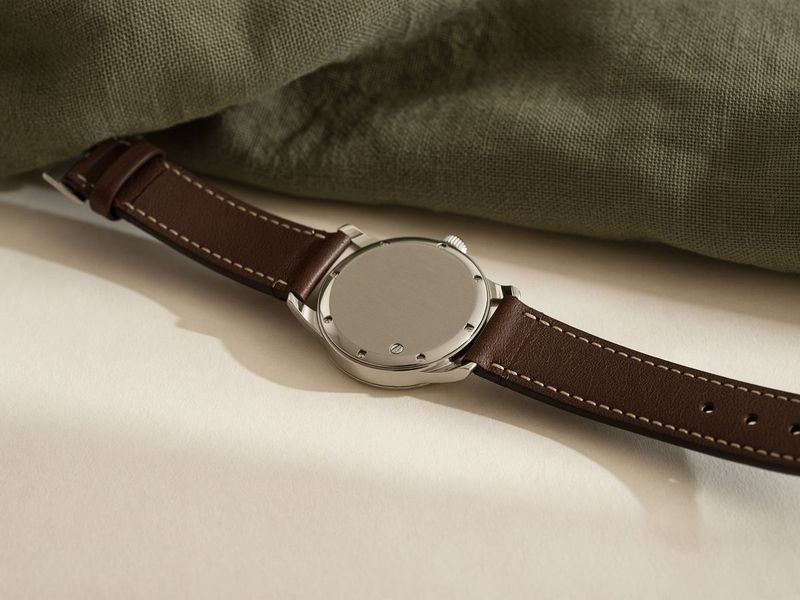
Case diameter is measured across the face, excluding the crown. Two 40 mm watches can wear completely differently if one has long lugs. Lug-to-lug is the measurement that must sit inside the width of your wrist. If the lugs hang over the sides, the watch is too big no matter what the box says.
| Wrist circumference | Usually works | Usually does not |
|---|---|---|
| Under 6.25 in / 160 mm | 34–38 mm, short lugs | 42 mm sports watches |
| 6.25–7 in / 160–178 mm | 36–40 mm | 44 mm divers |
| 7–7.75 in / 178–197 mm | 38–42 mm | Tiny dress 31 mm, unless you want vintage |
| Over 7.75 in | 40–44 mm | Anything with lugs past the wrist bone |
Thickness and the cuff
A 14 mm-thick dive watch will not sit under a tailored shirt cuff. A 9–11 mm dress watch will. If you wear a suit more than a wetsuit, thickness is the size that actually bites. Pair with an everyday watch under $200 if you are not ready to spend on a thin movement.
Try-on rules
Wear it over bare wrist, then over a shirt. The lug should not pass the wrist edge. The crown should not dig into the back of the hand when you flex. Photos from above lie; a mirror from the side does not.
Questions, answered
- Is 40 mm the safe modern size?
- It is safe on a 7 inch wrist. On a 6.5 inch wrist, 36–38 mm often looks more expensive, not smaller.
- Do women need a different chart?
- No. Wrists vary more than gender. Measure.
- Bracelet or strap for a small wrist?
- A leather or nylon strap is easier to size. On-the-fly micro-adjust bracelets help; cheap bracelets leave gaps.