Carry less, better
How to Spot a Fake Designer Bag
Fakes fail on stitches per inch, heat stamps, date codes, hardware weight, and a price that is doing you a favour. Logos are the easy part to copy.
Updated 26 May 2026 · 8 min read · how to spot a fake designer bag
Stitching, heat stamps, and date codes
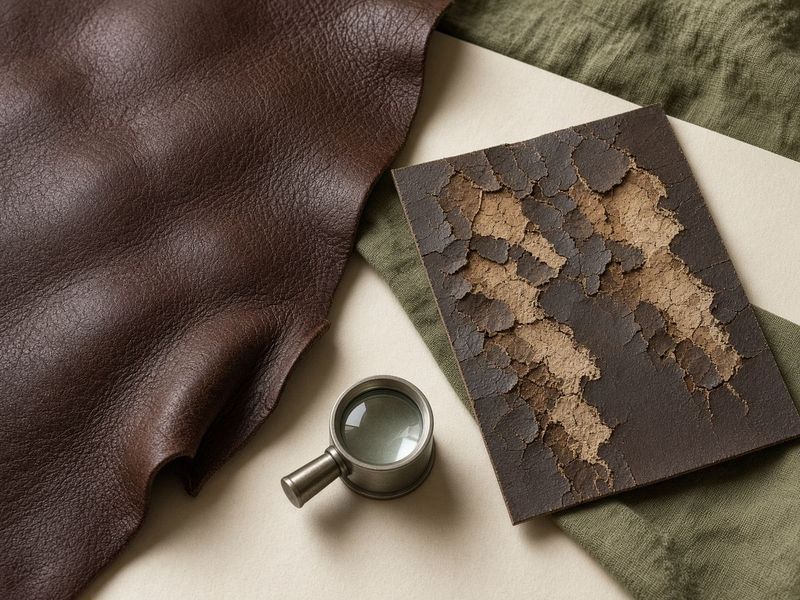
Stitches per inch should be consistent and tight. Luxury houses sit roughly in the 7–12 SPI band depending on leather thickness; the tell is not the number, it is the wobble. Skipped stitches at a corner, a backstitch that looks like a knot, thread that does not match the edge paint — those are factory tells, not “vintage character.”
Heat stamps (the logo and “made in” line inside) should be level, evenly deep, and sharp at the serifs. Fakes look melted, or too deep in the middle and faint at the edges. Date codes, serials, and microchips are house-specific and they change. A code format from 2009 on a 2024 style is a prop. No code on a house that always used one is a prop. A code on a house that never used one is also a prop. Codes get printed in batches; a code is a clue, not a verdict.
Hardware weight and the price that is too kind
Zips, clasps, and feet should have mass. Light, rattly, yellowish “gold” that wears to zinc in a fortnight is costume jewellery on a bag — the same scepticism you bring to telling whether gold is real. Engraving on a zip pull should be crisp, not a suggestion. Compare a product photo from the house site to the listing, not another reseller photo.
Price is the loudest tell. Authorised retail has a floor. Resale of a current, unworn piece rarely lands at 70% off unless it is damaged, stolen, or fake. “Too good” is not a personality. It is the scam. The same scepticism applies to “genuine leather” as a quality claim: the word on the listing is a claim, not a lab result.
| Check | Usually real | Usually fake |
|---|---|---|
| Topstitching | Even length, clean corners | Wavy, skipped, knotted ends |
| Heat stamp | Level, sharp, even depth | Melted, off-centre, fuzzy |
| Date / serial | Matches that house and year | Wrong format, or a novel code |
| Hardware | Heavy, clean engraving | Hollow, brassy, peeling |
| Price | Near resale comps | Half of every comparable listing |
Shape, leather, and the bag you actually needed
Silhouette is copied last and worst. Quilting that does not align, a flap that does not sit flush, a strap length the house never made — those are pattern-room failures. Leather should smell like leather, not like solvent. Coated canvas should have even coating, not orange-peel plastic.
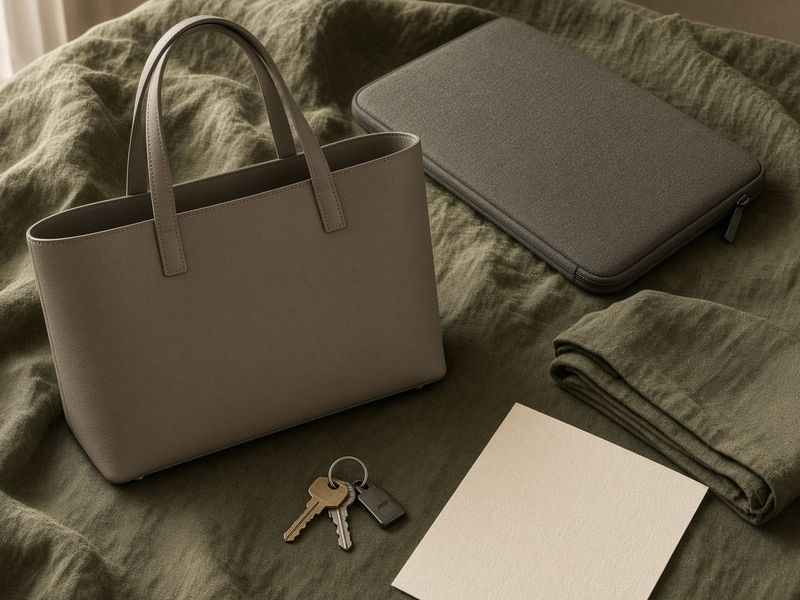
If what you needed was a work bag that holds a laptop, buy that. A fake logo tote that does not close is a worse object than a no-name leather tote that zips. Counterfeits also skip the construction that makes a bag last: edge paint, reinforcement at the strap, a base that does not collapse.
Authentication is a service. TikTok is not.
Pay an independent authenticator who names the house and the tells they used. Entrupy, Authenticate First, and house-specific services exist for a reason; a seller who “self-authenticates” with their own certificate is marking their own homework. Marketplace “authenticity guaranteed” programs are better than a stranger in DMs and still not a court of law — photograph everything on arrival.
Once you own a real leather bag, keep it that way. Sweat and rain at the handles are where colour transfers. Clean it like leather, not like a trainer. A fake with a famous stamp is still a fake when it is clean. A real bag with a scuffed corner is still real, and cheaper to restore than to replace.
Questions, answered
- Can fakes have date codes?
- Yes. Codes are printed in batches. A code is a clue, not a verdict. It has to match the style, the year range, and the factory habits of that house.
- Is “mirror quality” a real grade?
- It is a sales grade among counterfeiters. It means “better fake.” It does not mean the leather, the wage, or the hardware are the house’s.
- What if I already bought a fake by accident?
- Document, dispute, and do not resell it as real. Wearing a fake is a personal choice. Selling one as authentic is fraud.