What to wear
What to Wear on a Long Flight (and Still Look Like a Person on Landing)
Merino next to skin, compression under dark trousers, shoes that come off and go back on at immigration. Land looking like you meant to arrive.
Updated 25 Mar 2026 · 8 min read · what to wear on a long flight
Merino is the layer that earns its seat
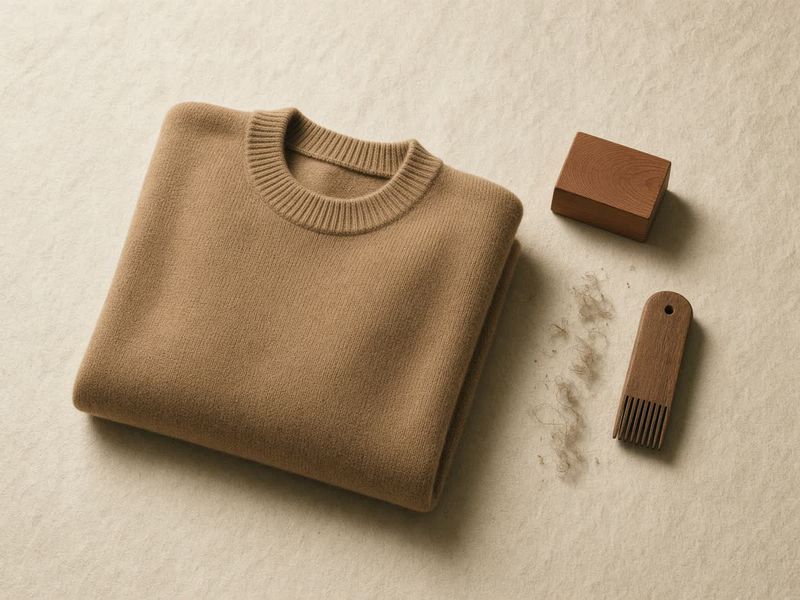
Cabin air is dry, the temperature swings 10 degrees, and you will sit in this cloth for 8–14 hours. Cotton T-shirts hold sweat and then smell. Synthetic athletic shirts smell faster, in a sour way. A merino crew or T-shirt in the 150–200 gsm range ($60–$120 from Icebreaker, Uniqlo’s merino, Outlier, or similar) is the rare garment that stays inoffensive until landing. Cashmere pills, is too warm in a packed cabin, and is the wrong wool for this job.
Over the merino, a second merino or a light fleece, then a jacket with real pockets. That three-layer stack is the whole travel capsule for the plane: you can sleep in the mid-layer and look finished in the jacket at passport control. Wash the merino correctly when you land — cool, no-heat, no-softeners — and it will do the next flight.
| Layer | What | Why | Skip |
|---|---|---|---|
| Against skin | Merino T or long-sleeve, 150–200 gsm | Odor, temperature, no cling | Cotton once it is wet, perfume-heavy synthetics |
| Mid | Merino crew, light fleece, or cardigan | The garment you land in | A heavy hoodie that cannot go under a jacket |
| Shell | Unstructured jacket or overshirt with pockets | Passport, boarding pass, warmth on the jetway | A puffer you have to gate-check |
| Legs | Knit trousers, dark chinos, merino joggers that look like trousers | Stretch without looking like pajamas | True pajama pants, rigid raw denim |
| Feet | 15–20 mmHg compression under dark socks, or compression in a dark knit | Ankles on flights over 4 hours | White gym socks with dress shoes |
Compression that does not look like medical equipment
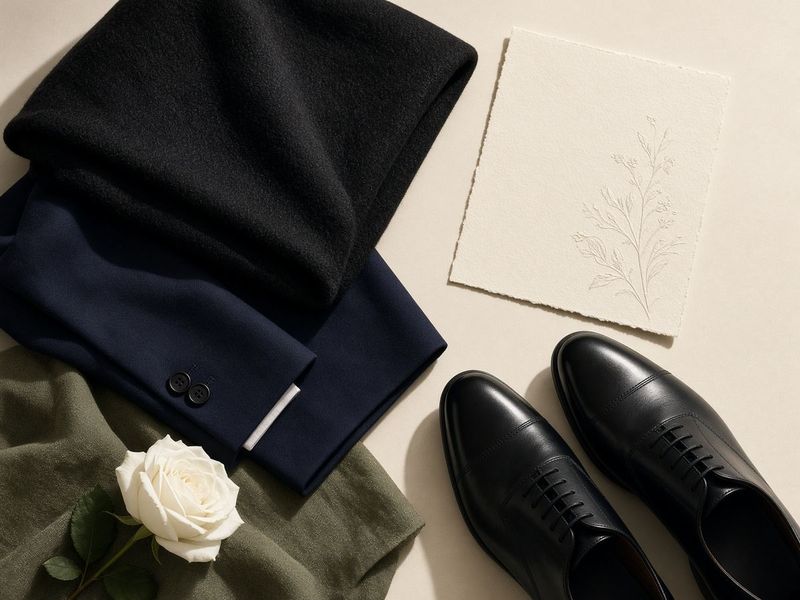
On flights over four hours, 15–20 mmHg socks reduce swelling. 20–30 mmHg is a medical grade; do not self-prescribe it because a blog said so. The useful trick is cosmetic: wear black or charcoal compression under dark trousers, or buy the knit-looking pairs from a travel brand in the $20–$40 range. Nude medical pairs with shorts are a look you do not need to land in.
They go on at home, not in the jetway. If your calves are large, size by calf circumference, not shoe size — the pair that sausages your leg is worse than no pair. People with a clotting history should be talking to a doctor, not to a packing list.
Shoes that come off, and come back on at immigration
You want them off for the cabin and on in 20 seconds when the seat-belt sign is irrelevant and a border officer is not. Leather loafers, clean sneakers with a removable insole, or a slip-on with a back. Not new boots. Not lace-up running shoes you have to relace while holding a passport in your teeth. Not flip-flops that a chilly cabin and a filthy floor will punish.
Security will make you take them off in some airports anyway. A pair without a steel shank and without a pile of laces is faster. If your feet swell — they will — a half-size of room is better than a beautiful tight oxford you cannot get back onto at 6am in Heathrow.
Pockets versus the bag, and landing like a person
The overhead bin is not a pocket. Passport, visa papers, phone, headphones, lip balm, and a pen live in the jacket. The personal-item backpack holds the hoodie, the spare socks in a zip bag, water after security, and anything that would make you stand up during the service cart. If you have to ask a stranger to move so you can reach a charger, you packed the cabin wrong.
Landing: put the jacket on, change the socks if you packed a spare, brush hair, and walk off looking like the mid-layer was the outfit. The eye mask and the neck pillow go away before the seat-belt sign. You are about to meet a border officer, a driver, or a client — the same presentability bar as the rest of this site, just after a worse night’s sleep.
Questions, answered
- Are compression socks worth it on a six-hour flight?
- For most healthy adults, 15–20 mmHg on flights over four hours is a cheap, low-risk habit. They will not cancel a clotting disorder. If you have one, that is a doctor conversation, not a packing one.
- Can I just wear sweats and change in the airport?
- You can. You will then own two outfits, a bathroom queue, and a bag of worn sweats. A merino mid-layer that is acceptable on the jetway is less work. Change socks, not a whole identity.
- Is cashmere better than merino for the plane?
- No. Cashmere is warmer per gram and pills where a seatbelt rubs. Merino handles odor and cabin temperature swings. Save cashmere for the destination, and see merino versus cashmere before you pack both.