What to wear
What to Wear to Court as a Defendant, Witness, or Observer
Mute colors, no logos, closed shoes, a belt that will not set off the magnetometer. Defendants should be the quietest people in the room.
Updated 4 Jul 2026 · 7 min read · what to wear to court
Defendant, witness, and observer are different jobs
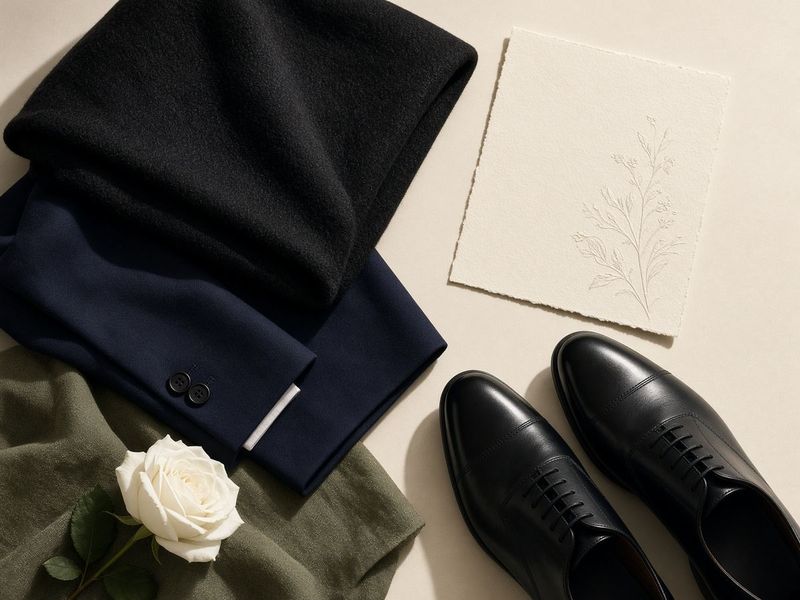
If you are the defendant or the petitioner, the judge is deciding things about you. Wear the most boring respectable kit you own: navy or charcoal trousers, a collared shirt, a jacket if you have one that fits. A dark suit is correct and never looks like you “dressed up to trick the court.” Loud fashion, designer logos, and clubwear do the opposite of what you think they do.
Witnesses are there to be believed. Solid colors, covered tattoos if they would be the first thing a juror stares at, hair out of your face, no joke socks. Observers and family in the gallery have more room — dark chinos and a shirt — but the bailiff can still ask you to leave for shorts, hats, or a graphic tee. The table is the split.
| Role | Wear | Shoes and belt | Leave at home |
|---|---|---|---|
| Defendant / petitioner | Navy or charcoal suit or jacket plus collared shirt | Closed leather, small-buckle belt | Logos, slogans, sunglasses on the head, heavy chains |
| Witness | Dark trousers or a midi dress, quiet knit or shirt | Closed shoes you can sit still in | Statement jewelry, political pins, team jerseys |
| Victim / supporting family | The same quiet kit; comfort for a long wait | Closed shoes, no metal-heavy boots | Photos on a phone in the well, recording |
| Gallery observer | Chinos or dress trousers, collared shirt | Closed shoes — many courts ban slides | Hats inside, shorts, ripped jeans, tank tops |
Mute colors, no logos, no slogans
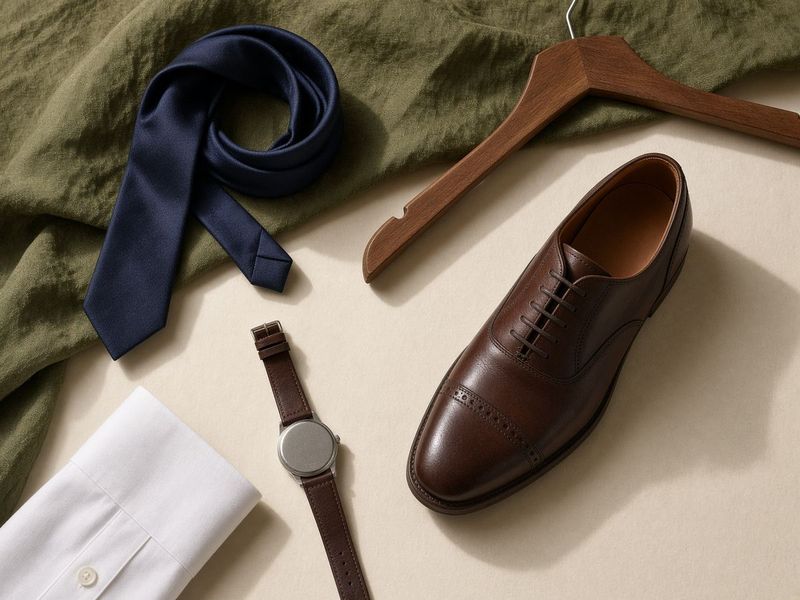
Navy, charcoal, gray, white, pale blue, olive if it is dull. Not neon, not camo, not a brand word across the chest, not a lawyer-joke tie. A small unbranded leather belt and an unbranded watch. The courtroom is not the place for a Supreme hoodie or a pun about the Fifth Amendment.
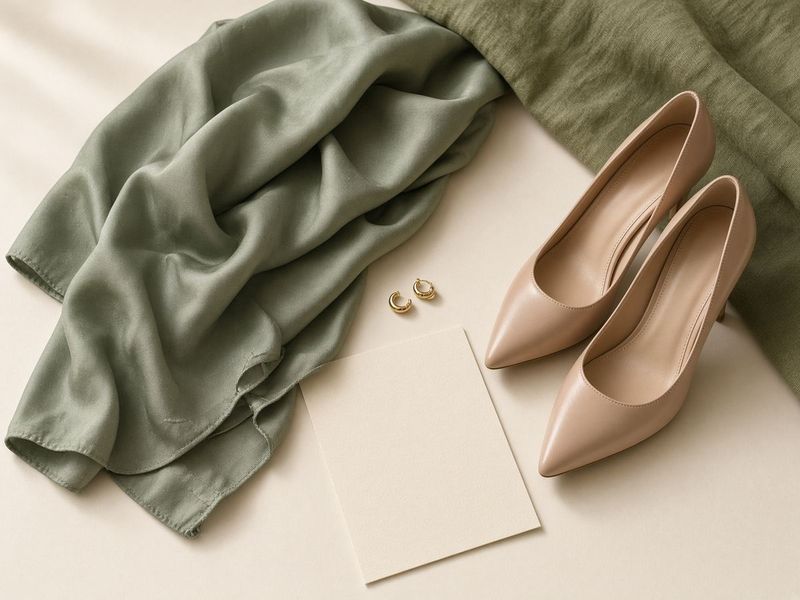
Women: a midi or trousers, opaque fabric, a cardigan or blazer if the dress is sleeveless. Men: a tie is not required in every traffic court and is expected in most felony courtrooms — bring one and put it on in the hallway if the room is suited. The same one-notch logic as an interview applies, minus any fashion experiment.
Metal detectors will undress you in the lobby
Assume a magnetometer and a deputy with no sense of humor about your outfit. Chunk-buckle belts, steel-toe boots, a pocket knife, a multi-tool, and a decorative chain of keys will send you back to the tray. Wear a thin leather belt with a small buckle, or trousers that stay up without one. Take the watch off before you reach the line if it is large.
Jewelry: a wedding band and small studs. Empty the pockets into a simple bag you are willing to have searched. Many courts ban phones in the well and some ban them in the building — read the county site the night before, not on the sidewalk. Chewing gum, hats, and sunglasses on the head are all “take it off” conversations you do not need.
Closed shoes, covered shoulders, quiet cloth
Closed toe, closed heel, a sole that can stand in a marble hallway for two hours. Flip-flops, slides, and gym shorts are the fastest way to be turned away at a clerk window. A leather oxford or derby in black or dark brown is the default. Clean them; scuffed white sneakers photograph as disrespect even when the judge never looks at your feet.
Shoulders covered, no midriff, no see-through viscose. This is closer to funeral cloth than to a night out: matte wool, cotton poplin, a crepe dress. Press the shirt. You will sit, stand, and sit again. If the only dark jacket you own is a puffer, wear a sweater instead — technical outerwear in the well looks like you are passing through.
Questions, answered
- Can I wear jeans to court?
- Dark, clean, unripped jeans sometimes pass in traffic or small-claims court and still look underdressed. Wear chinos or suit trousers if you have them. Defendants in a serious matter should not test the jeans rule.
- Do I need a tie?
- In most criminal and civil trials, men look finished in a tie. In traffic court and some family-court galleries, a collared shirt without a tie is common. Bring the tie; putting it on takes 30 seconds.
- Will a metal belt buckle keep me out?
- It will not keep you out, but it will make you take the belt off in a public line. A small buckle, or trousers that fit, saves the show. Pocket knives and pepper spray can be confiscated.